
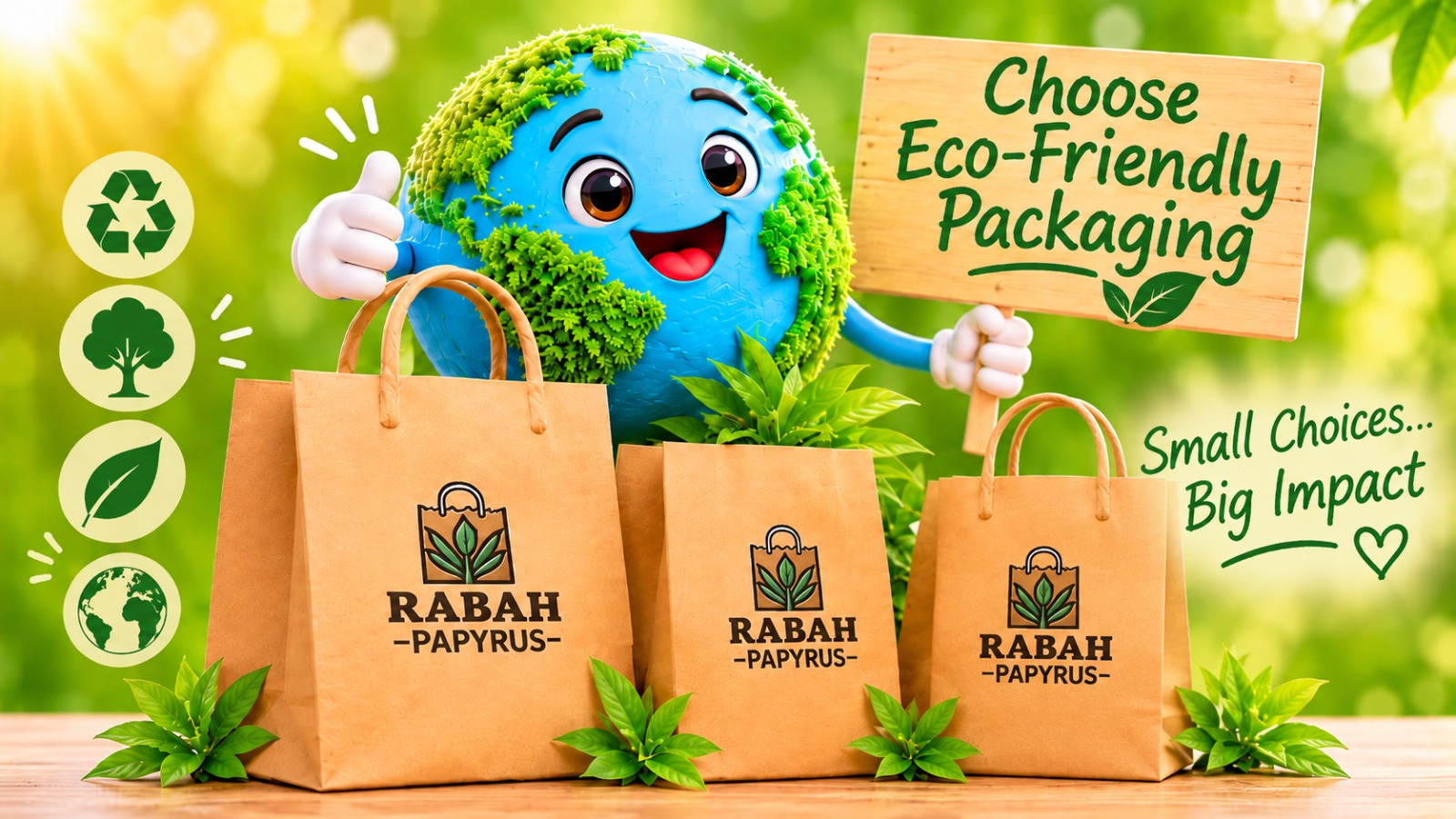
Every day, we make countless small choices, from the products we buy to the way we carry our purchases home. While these decisions may seem ordinary, they can have a much bigger impact on the environment than we realise. One important example is packaging.
Think about how many packages we come across in a single day. From grocery shopping and takeaway orders to clothing purchases and online deliveries, packaging is part of almost everything we do. But what happens to all that packaging once we finish using it?
Much of it becomes waste, especially when it is made from materials that are difficult to recycle or take a long time to break down. This is where eco-friendly packaging becomes important.
Choosing better packaging materials is not just a trend. It is a practical step towards reducing waste, using resources more responsibly, and encouraging more sustainable habits. Even small changes in packaging choices can contribute to a healthier environment.
What Is Eco-Friendly Packaging?
Eco-friendly packaging refers to packaging designed to reduce its environmental impact throughout its life cycle. This includes the materials used to make it, the resources required during production, how it is transported, and what happens after it has served its purpose.
Unlike conventional packaging that may rely heavily on difficult-to-recycle materials, eco-friendly alternatives prioritize more responsible resource use.
Some common examples include:
- Paper packaging: Made from paper materials and available in different forms, including kraft paper bags.
- Recycled paper packaging: Produced from recovered paper fibres, giving previously used materials a new purpose.
- Reusable packaging: Designed to be used multiple times rather than thrown away after a single use.
- Compostable packaging: Made from materials that can break down under suitable composting conditions.
However, not every alternative is automatically better for the environment. Its overall impact depends on how it is manufactured, used, reused, and disposed of.
Why Does Eco-Friendly Packaging Matter?
Packaging plays an important role in protecting products, maintaining quality, and making transportation easier. However, excessive packaging and poor disposal practices can create unnecessary environmental problems.
Here are some important reasons why choosing better packaging matters.
1. Helps Reduce Packaging Waste
One of the biggest advantages of eco-friendly packaging is its potential to reduce waste.
Single-use packaging is often discarded immediately after a product is opened or used. When packaging is difficult to recycle or dispose of responsibly, it can contribute to growing waste problems.
Choosing recyclable, reusable, or appropriately compostable materials can help reduce the amount of packaging sent to landfills.
For example, businesses can replace unnecessary packaging layers with simpler alternatives and encourage customers to reuse paper bags whenever possible.
2. Encourages Responsible Use of Natural Resources
Packaging production requires resources such as water, energy, and raw materials.
Using recycled materials, reducing unnecessary material consumption and choosing responsibly sourced resources can help businesses make better use of these materials.
Paper packaging, for example, can be made using recycled fibres or responsibly sourced virgin paper. The choice of raw materials and manufacturing methods plays an important role in determining its environmental impact.
3. Supports Better Recycling Habits
Recycling becomes easier when packaging materials are properly selected and designed.
Paper bags made from suitable paper materials can often be recycled through established paper recycling systems, provided they are clean and accepted by local recycling facilities.
Clear recycling information also helps customers understand how to dispose of packaging correctly.
When businesses and consumers work together, recycling can become a more natural part of everyday life.
4. Creates Awareness Among Consumers
People are becoming more interested in understanding how their purchasing decisions affect the environment.
Packaging is one of the first things customers notice when they receive a product. Businesses that make thoughtful packaging choices can encourage customers to think about waste reduction and responsible consumption.
Over time, these small decisions can help build better everyday habits.
How Small Packaging Choices Can Make a Big Difference
Creating a positive environmental impact does not always require major changes. Sometimes, it begins with simple decisions that can easily become part of everyday business operations.
Here are a few practical ways to make packaging more sustainable.
Choose Paper Bags Instead of Unnecessary Plastic Packaging
Paper bags are a practical alternative for many shopping and retail applications.
They are available in different sizes, strengths, and styles, making them suitable for clothing stores, bakeries, gift shops, and several other businesses.
Kraft paper bags are particularly popular because of their natural appearance and versatility. They can also be customised with business logos and designs, allowing brands to maintain their identity while choosing paper-based packaging.
However, paper bags also require resources to manufacture. Their environmental benefits depend on responsible sourcing, efficient production, reuse, and proper recycling.
Avoid Excessive Packaging
Have you ever received a small product inside a package that seemed much larger than necessary?
This is a common example of excessive packaging.
Businesses can reduce unnecessary material use by selecting appropriately sized packaging and avoiding additional layers that do not provide meaningful protection.
Using only what is necessary can help reduce material consumption, packaging waste, and transportation requirements.
Encourage Reuse Before Disposal
A package does not always need to become waste after its first use.
Strong paper bags, for example, can be reused for shopping, storage, or carrying everyday items, depending on their condition.
Businesses can encourage customers to reuse packaging by choosing durable materials and creating packaging that people find useful beyond the original purchase.
Select Materials That Can Be Recycled
Recyclability should be an important consideration when selecting packaging.
Businesses should understand whether local recycling systems can accept chosen materials. They should also avoid unnecessary combinations of materials that complicate recycling.
Simple packaging designs can make sorting and disposal easier for consumers.
The Role of Businesses in Promoting Sustainable Packaging
Businesses have an important role in making eco-friendly packaging more accessible.
Whether it is a small retail shop, a restaurant, or a large manufacturing company, every business makes packaging decisions that influence the amount and type of waste it generates.
Here are some ways businesses can make a difference.
Understand packaging requirements: Choose materials based on the product’s weight, size, storage conditions, and transportation needs.
Work with responsible suppliers: Look for suppliers who understand material quality, responsible sourcing, and efficient manufacturing practices.
Reduce unnecessary materials: Avoid oversized packaging and unnecessary additions wherever possible.
Communicate with customers: Share simple information about reuse, recycling, and responsible disposal.
Review packaging regularly: Look for opportunities to improve material efficiency without compromising product protection.
These steps can help businesses make more informed decisions while gradually improving their packaging practices.
How Consumers Can Support Eco-Friendly Products
Sustainability is not only the responsibility of manufacturers and businesses. Consumers also play an important role.
The products we purchase, the packaging we accept, and the way we dispose of it all contribute to environmental outcomes.
Here are some simple habits that can make a difference:
- Carry reusable shopping bags when going out.
- Choose products with minimal and practical packaging.
- Support businesses that make responsible packaging choices.
- Reuse paper bags whenever they are still in good condition.
- Separate recyclable materials from general waste.
- Follow local recycling and composting guidelines.
- Avoid buying more than necessary.
Choosing eco-friendly products is another way to support responsible consumption. However, it is important to look beyond marketing claims and understand what makes a product genuinely sustainable.
Consider its materials, manufacturing process, durability, and disposal requirements before making a decision.
Small, consistent actions can encourage businesses to improve their practices and help create demand for better alternatives.
Sustainable Packaging and the Future of Business
The future of packaging is closely connected to how businesses respond to changing consumer expectations and environmental challenges.
More companies are exploring sustainable packaging solutions that reduce unnecessary material use, improve recyclability, and make better use of available resources.
Paper-based packaging is one area receiving attention because of its versatility and suitability for many everyday applications.
For example, kraft paper bags can serve a range of industries, from retail and fashion to food businesses and gifting. Their natural appearance also provides opportunities for creative branding and customisation.
At the same time, businesses need to consider the entire life cycle of their packaging rather than focusing on a single material.
The goal is not simply to replace one packaging material with another. It is about making thoughtful decisions that balance product protection, material efficiency, customer convenience, and environmental responsibility.
As more businesses explore sustainable products and responsible production methods, packaging decisions will continue to play an important role in shaping a more resource-conscious future.
Conclusion: Small Choices, Meaningful Progress
Creating a more sustainable future does not happen with a single major decision. It develops through many smaller choices made by individuals, businesses, and communities.
Choosing eco-friendly packaging, avoiding unnecessary materials, reusing bags, and supporting responsible businesses are practical ways to begin.
Every packaging decision offers an opportunity to think beyond convenience and consider its environmental impact.
At Rabah Papyrus, we believe that thoughtful packaging choices can contribute to a more responsible approach to everyday business needs. Through our range of paper bags and paper-based packaging products, we aim to provide practical packaging options for businesses looking to explore alternatives to conventional packaging.
The next time you purchase a product or select packaging for your business, take a moment to consider the material, its usefulness, and what happens after it is used.
Because sometimes, the smallest changes can lead to meaningful progress.
A better future begins with better everyday choices.
Contact: 7989098789
Website: www.rabahpapyrus.com
Location: Plot No. 164, MSME- Gurrapalem,
Pendurthi, Visakhapatnam.